
Backed up and fed up? What Chinese Medicine says about Constipation | Acupuncture & Chinese Medicine, Sandringham, Bayside
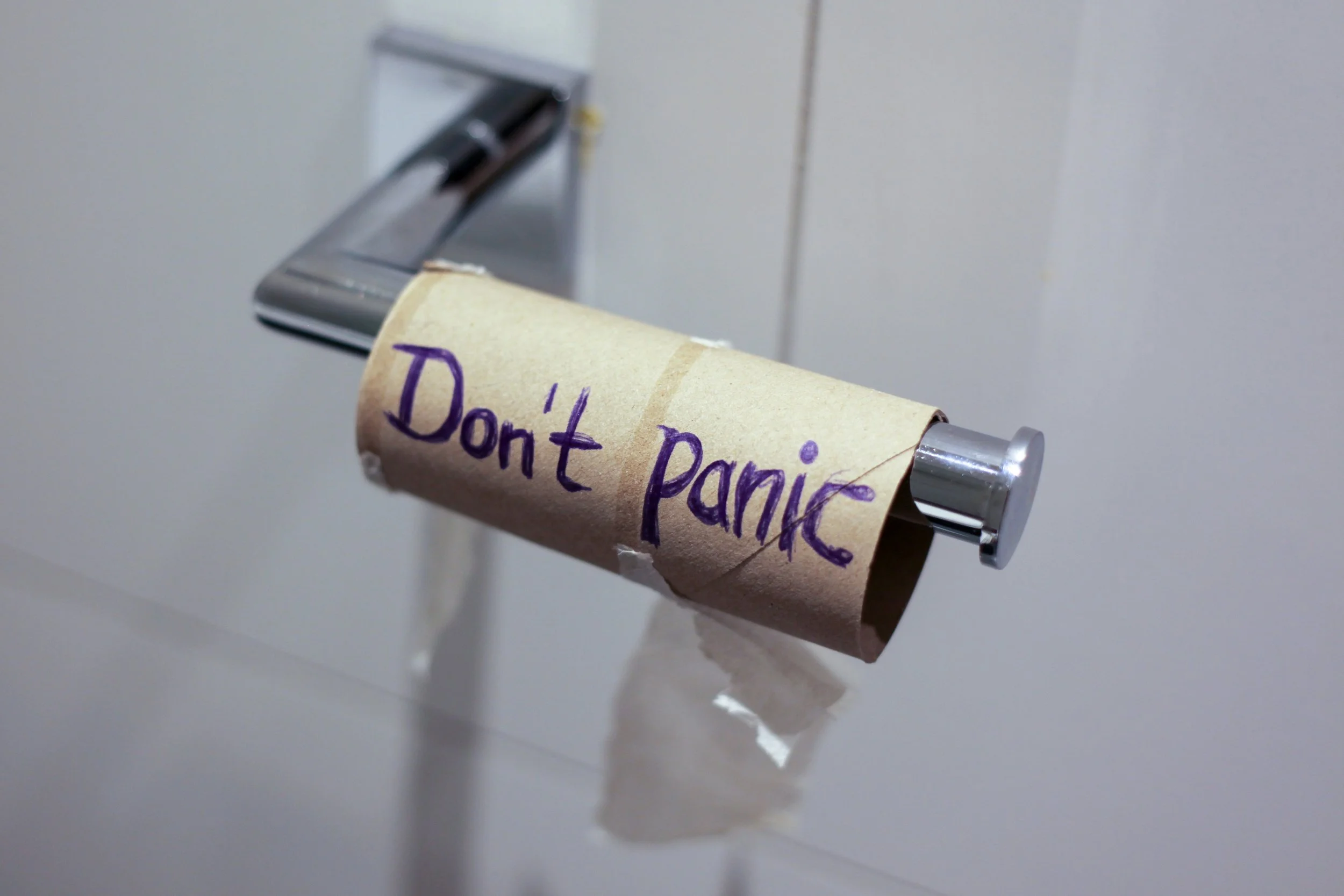
Constipation, Acupuncture and Chinese Herbal Medicine - Embrace Complementary Medicine
Your bowels are trying to tell you something. Let’s listen.
Nobody wants to talk about constipation. I get it. It’s unglamorous, a little embarrassing, and yet somehow we have collectively agreed to suffer in silence rather than mention it at the dinner table. Or let’s be honest, anywhere.
But here is the thing, your bowels are the most reliable report cards your body produces. When things are not moving, its a clear indicator that something upstream is not functioning effectively, and as an acupuncturist, I take that very seriously. And believe me, us Chinese Medicine folk find it fascinating, so you’ll never make us uncomfortable. It’s simply one of your body’s signs that you may need some support!
What is constipation?
Fewer than three complete bowel movements per week, straining, particularly hard or lumpy stools, a sense of incomplete evacuation, or a bloated and uncomfortable abdominal fullness that you just can’t shift. Does that sound familiar? Don’t worry, you are not alone. Functional constipation is estimated to affect 10-15% of the global population, with women disproportionately affected (Chen et al., 2022).
And it is not just a grown-up problem. Constipation is remarkably common in teenagers too, particularly teenage girls, where a combination of dietary changes, stress, hormonal fluctuations, dehydration, and the class teenage habit of ignoring the ‘urge to go’, creates a perfect storm for sluggish bowels.
What do we look for?
According to Chinese Medicine theory, healthy bowel function depends on the smooth flow of Qi throughout the digestive system, alongside adequate hydration in the intestines, and sufficient energy to move things along.
Common patterns include:
Qi Stagnation - Stress, frustration and a sedentary lifestyle can slow any movement through the digestive tract. This is a classic presentation in busy women and teens experiencing academic and social pressures.
Spleen and Stomach Deficiency - The Spleen and Stomach are the organs primarily responsible for the digestive process. When these are weak, poor digestive energy means they generate insufficient momentum to propel substances through the digestive system, thus getting stuck. This is often accompanied by fatigue and bloating.
Blood and Yin Deficiency - Insufficient moisture is available to lubricate the bowel. Common after childbirth or in perimenopausal women, the elderly, or in anyone chronically under-nourished.
Heat and dryness - Excessive heat in the Large Intestine dries out the stools. This pattern is commonly linked to inappropriate diet, dehydration and/or prolonged periods of stress.
What can help?
Hydrate properly - warm water, herbal teas, and warm water with lemon in the morning. In the case of chronic constipation, including electrolytes in the diet may be beneficial.
Eat fibre-rich whole foods - incorporate vegetables, wholegrains, legumes and fruit into your diet. This is particularly important for teens whose dietary choices may sway towards highly processed foods.
Move daily - even a 20-minute walk helps stimulate the gut contractions, which help get things moving down there.
Never ignore the urge - especially relevant for teenagers, who have a talent for postponing the inevitable.
Manage stress - stagnation of the Qi in the Liver, is one of the most common drivers of constipation in women and teens.
Warm your food (but not too much!) - cold and raw foods are more challenging for your Spleen to process. Warm cooked meals help support digestive function. However conversely, consuming too many hot spices such as chilli, can easily exaccerbate constipation as they are too heating!
What does the research say?
Acupuncture for functional constipation has a growing evidence base, offered here as supportive care, rooted in traditional use:
A Systematic review and meta-analysis by Wang et al., (2020), examining 28 Randomised Controlled Trials (RCTs) involving 3,525 participants, found that acupuncture significantly increased complete spontaneous bowel movements, improved stool formation, and improved quality of life compared to sham treatment. Responder rates more than doubled in the acupuncture group with no increase in adverse events evident.
A network meta-analysis by Wang et al., (2023), examined 19 RCTs involving 1,753 participants, found acupuncture at three to four weeks most effective for improving frequency of bowel movements and stool consistency, with results at six weeks producing the best overall results.
A 2025 Systematic review and meta-analysis by Tan et al., (2025), examining 29 RCTs involving 4,389 patients, found acupuncture ranked first among all nine non-pharmacological treatment methods for functional constipation.
Your gut deserves better than just pushing through
Constipation is really common. It is not something you should simply have to endure. Understanding what is driving it, is where lasting change starts.
Whether you are a busy Bayside woman, a perimenopausal Mum, or the parent of a teenager whose digestion has gone quietly off the rails, I’d love to help.
Book a consultation at www.embracecm.com.au/bookings or click the Appointments button above.
References:
Chen, C., Liu, J., Liu, B., Cao, X., Liu, Z., & Zhao, T. (2022). Efficacy of acupuncture in subpopulations with functional constipation: A protocol for a systematic review and individual patient data meta-analysis. PLOS ONE, 17(4), e0266075. https://doi.org/10.1371/journal.pone.0266075
Tan, S., Peng, C., Lin, X., Peng, C., Yang, Y., Liu, S., Huang, L., Bian, Y., Li, Y., & Xu, C. (2025). Clinical efficacy of non-pharmacological treatment of functional constipation: A systematic review and network meta-analysis. Frontiers in Cellular and Infection Microbiology, 15, 1565801. https://doi.org/10.3389/fcimb.2025.1565801
Wang, L., Chen, Y., Cao, W., Xu, M., Yao, J., Liu, Y., Zheng, Q., & Li, Y. (2023). Comparative effectiveness of different acupuncture courses in functional constipation: A Bayesian network meta-analysis of clinical trials. Applied Nursing Research, 70, 151651. https://doi.org/10.1016/j.apnr.2022.151651
Wang, L., Xu, M., Zheng, Q., Zhang, W., & Li, Y. (2020). The effectiveness of acupuncture in management of functional constipation: A systematic review and meta-analysis. Evidence-based Complementary and Alternative Medicine, 2020, 6137325. https://doi.org/10.1155/2020/6137450